Start with the Major Arcana
Follow the numbered sequence from The Fool to The World and compare cards associated with turning points, identity, values, disruption, integration, and larger patterns.
Browse all Major Arcana meaningsExplore all 22 Major Arcana and 56 Minor Arcana cards with upright and reversed meanings, symbolism, love, career, yes-or-no direction, spread positions, examples, and practical reflection prompts.
Tarot systems and artwork vary. These pages use widely recognized Rider-Waite-Smith-style imagery as a reference point and explain meanings as reflection rather than certainty.
Published by TarotPro under a documented source, review, AI, and corrections policy.
Follow the numbered sequence from The Fool to The World and compare cards associated with turning points, identity, values, disruption, integration, and larger patterns.
Browse all Major Arcana meaningsLearn how Wands, Cups, Swords, and Pentacles organize daily experience, then follow each suit from Ace through Ten and the four court cards.
Browse all Minor Arcana meanings22 archetypal cards for turning points, values, identity, and larger life patterns.
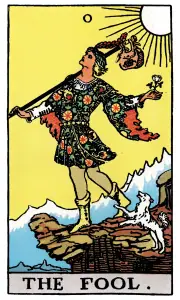
The Fool marks a beginning before its outcome is known.
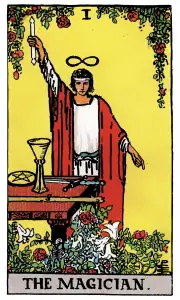
The Magician turns an intention into a deliberate act.
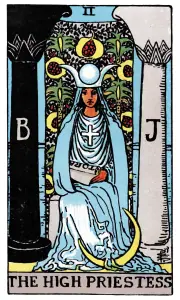
The High Priestess favors observation before declaration.
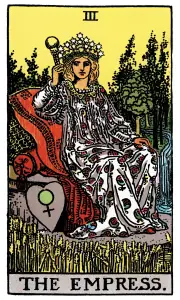
The Empress describes conditions in which life, work, or connection can develop.
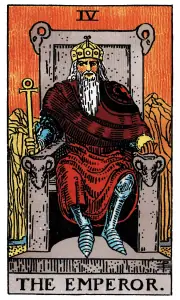
The Emperor brings structure to a situation that cannot rely on goodwill alone.
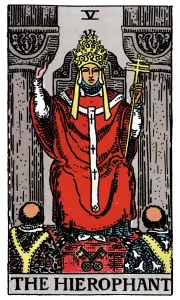
The Hierophant points to knowledge, ritual, or standards transmitted through a group.
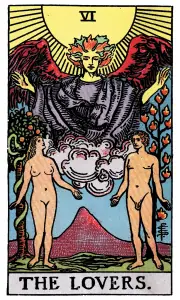
The Lovers joins attraction with choice.
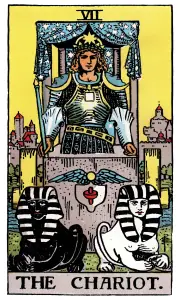
The Chariot brings competing forces under one direction.
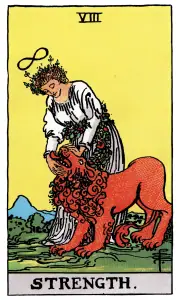
Strength describes power that can stay present without escalating.
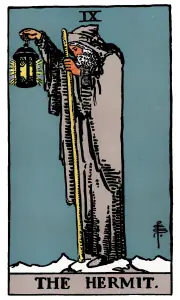
The Hermit reduces noise so a better question can emerge.
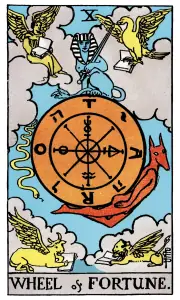
Wheel of Fortune marks a change in conditions, timing, or position.
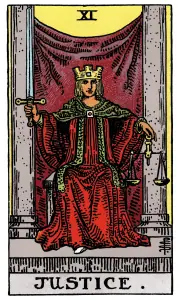
Justice asks whether a choice can withstand scrutiny.
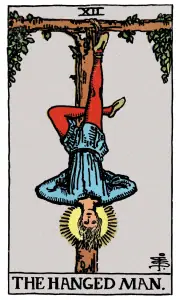
The Hanged Man makes a purposeful pause visible.
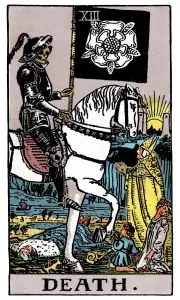
Death marks an ending that changes the available future.
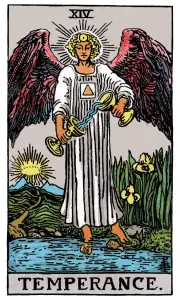
Temperance finds a workable proportion between forces that do not need to become identical.
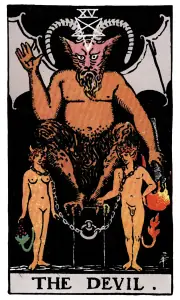
The Devil exposes a binding pattern and the payoff that helps maintain it.
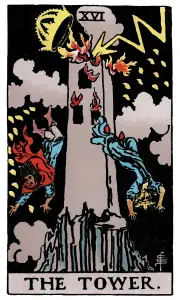
The Tower reveals a structure that cannot carry the reality pressing against it.
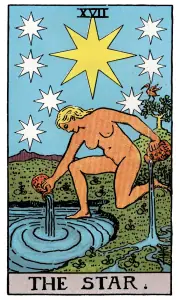
The Star restores a future that feels believable after strain or disruption.
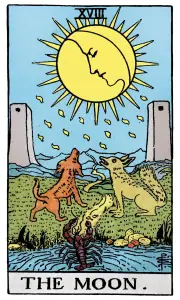
The Moon describes a situation shaped by incomplete visibility and emotional amplification.
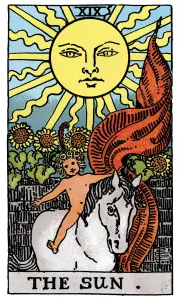
The Sun brings facts, warmth, and participation into the open.
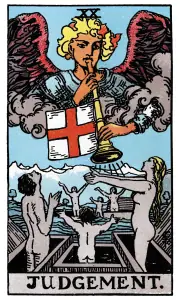
Judgement brings a review to the point of response.
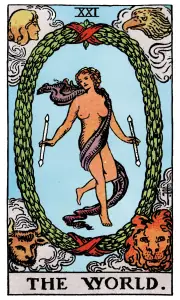
The World marks completion that has been integrated rather than merely stopped.
14 cards about initiative, desire, creativity, conflict, and the direction of your energy.
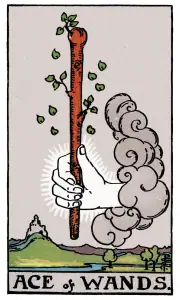
The Ace of Wands concentrates desire into a usable beginning.
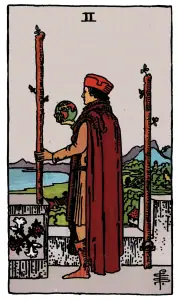
The Two of Wands stands between possession and possibility.
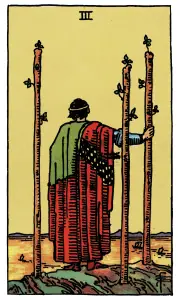
The Three of Wands shows a plan in contact with the wider world.
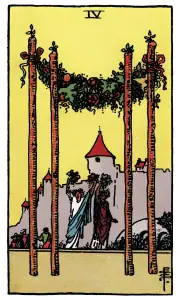
The Four of Wands marks a stable point worth acknowledging.
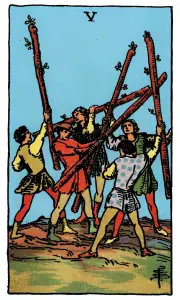
The Five of Wands brings several active wills into the same space without a shared method.
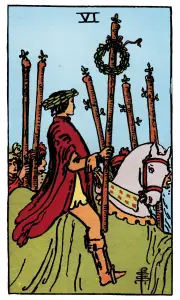
The Six of Wands brings achievement into public view.
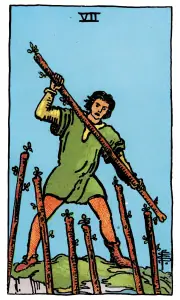
The Seven of Wands protects a position that has already been gained.
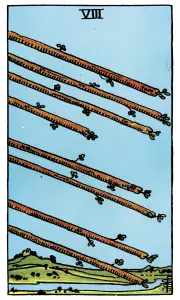
The Eight of Wands shows several moving parts traveling in one direction.
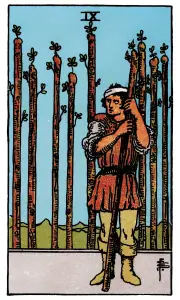
The Nine of Wands is endurance after contact with difficulty.
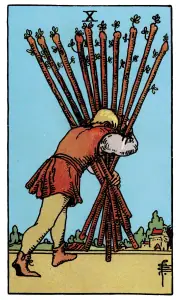
The Ten of Wands shows effort carrying the full weight of its consequences.
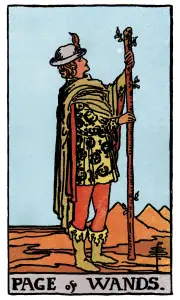
The Page of Wands treats curiosity as a reason to investigate, not as proof of mastery.
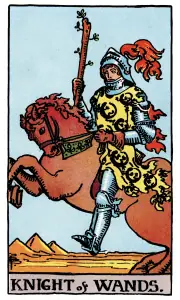
The Knight of Wands turns desire into pursuit.
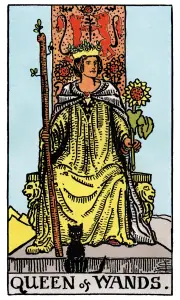
The Queen of Wands is confidence that makes room for participation.
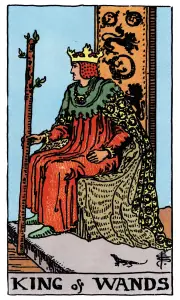
The King of Wands turns a large vision into direction other people can use.
14 cards about emotion, relationship, memory, imagination, and the way feelings are exchanged.
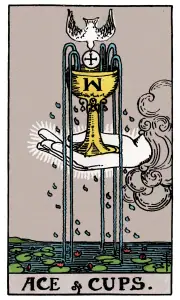
The Ace of Cups opens space for affection, creativity, or renewed sensitivity.
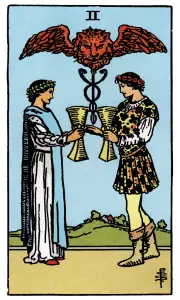
The Two of Cups makes mutual recognition visible.
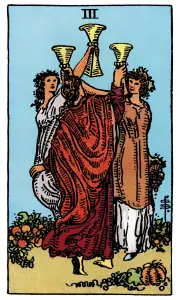
The Three of Cups shows emotion strengthened by a trustworthy group.
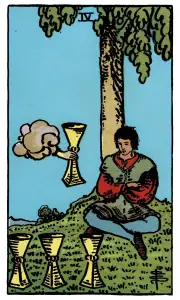
The Four of Cups describes attention turned inward until available choices become difficult to see.
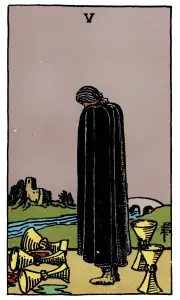
The Five of Cups gives loss its proper weight without making loss the whole landscape.
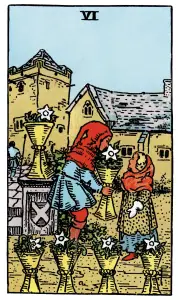
The Six of Cups brings the past into present feeling through memory, return, and familiar kindness.
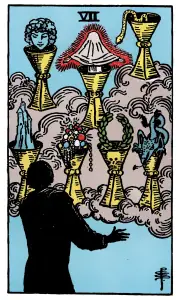
The Seven of Cups multiplies possible outcomes until desire and evidence become difficult to separate.
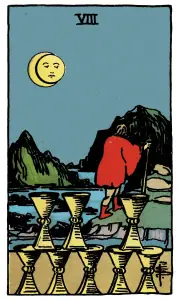
The Eight of Cups leaves something that remains standing but no longer answers the deeper need.
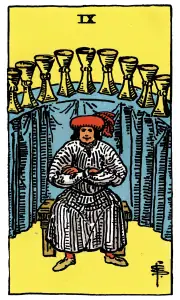
The Nine of Cups is pleasure recognized and allowed.
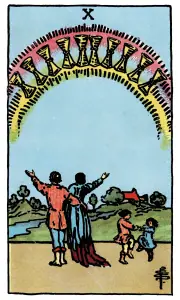
The Ten of Cups shows emotional well-being experienced as a shared environment rather than a private peak.
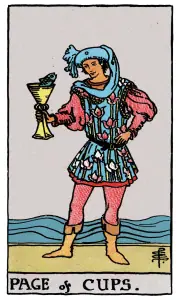
The Page of Cups receives an unexpected emotional or imaginative signal with curiosity.
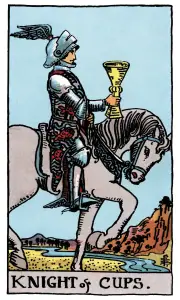
The Knight of Cups carries an emotional or creative ideal toward another person.
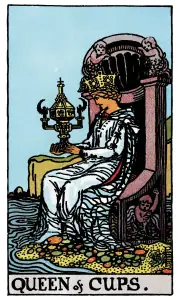
The Queen of Cups gives sustained attention to feeling without surrendering judgment to it.
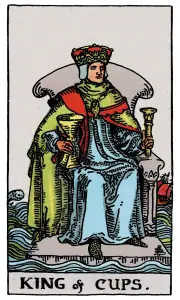
The King of Cups holds emotional authority in changing conditions.
14 cards about thought, communication, conflict, anxiety, evidence, and difficult decisions.
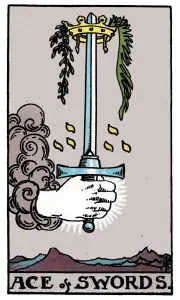
The Ace of Swords cuts a problem down to the claim that must be tested or the decision that must be made.
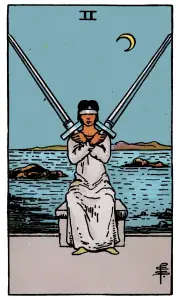
The Two of Swords holds a decision in suspension by balancing two guarded positions.
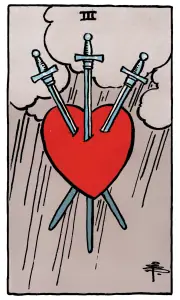
The Three of Swords names emotional pain that thought can no longer keep abstract.
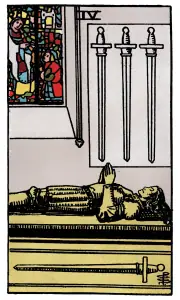
The Four of Swords is deliberate recovery after strain.
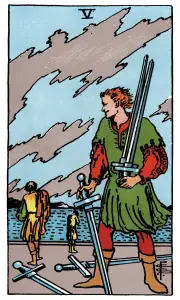
The Five of Swords asks what a victory costs when trust, dignity, or future cooperation is damaged in the process.
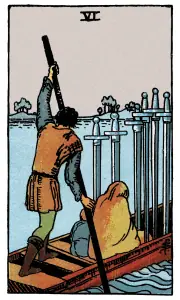
The Six of Swords is a managed passage away from difficulty.
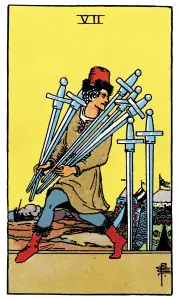
The Seven of Swords uses strategy outside direct confrontation.
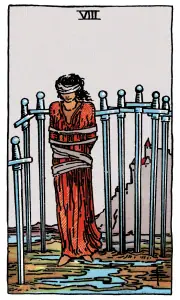
The Eight of Swords shows real constraint interpreted through a limited field of view.
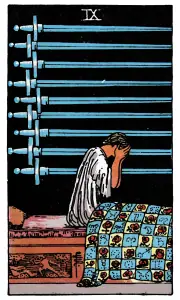
The Nine of Swords brings private fear into the foreground, especially when the mind is tired and evidence is hard to weigh.
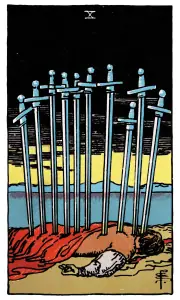
The Ten of Swords marks an ending that can no longer be protected by reinterpretation.
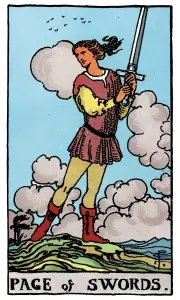
The Page of Swords learns by questioning, watching, and testing language.
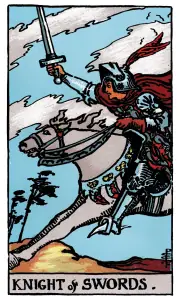
The Knight of Swords commits to an idea at speed.
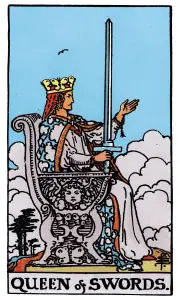
The Queen of Swords combines clear judgment with experience of consequence.
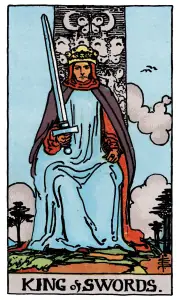
The King of Swords applies reason through formal authority.
14 cards about work, money, resources, the body, skill, and long-term material stability.
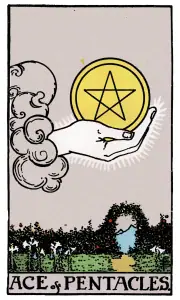
The Ace of Pentacles presents a concrete opening: a resource, offer, skill, place, or routine that can become durable through steady use.
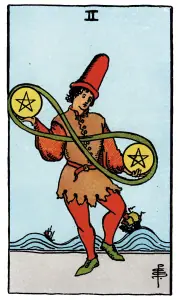
The Two of Pentacles is active balance under changing conditions.
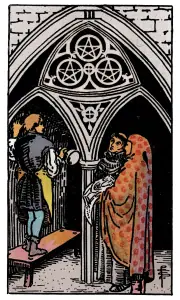
The Three of Pentacles brings distinct skills into coordinated work.
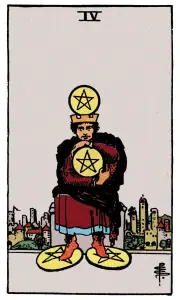
The Four of Pentacles protects what has been accumulated.
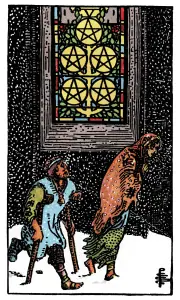
The Five of Pentacles depicts material or physical hardship compounded by exclusion.
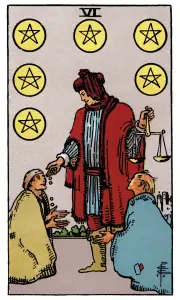
The Six of Pentacles concerns how resources move between people with unequal access.
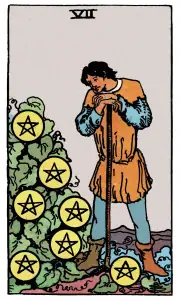
The Seven of Pentacles pauses sustained work for an honest assessment of return.
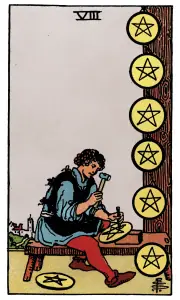
The Eight of Pentacles is focused practice directed toward a visible standard.
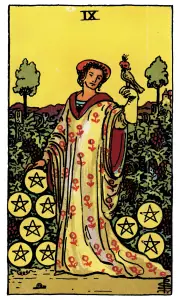
The Nine of Pentacles represents resources and competence sufficient to support independent choice.
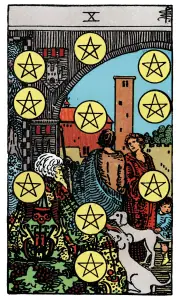
The Ten of Pentacles places material success inside a family, community, or institution that continues beyond one person.
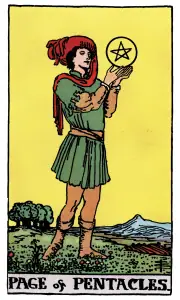
The Page of Pentacles approaches a material possibility as a student.
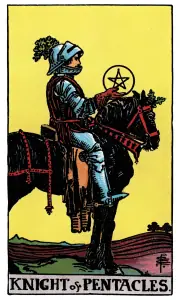
The Knight of Pentacles advances through method, consistency, and respect for material constraints.
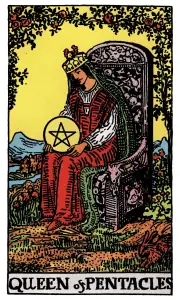
The Queen of Pentacles turns resources into conditions where life can continue and develop.
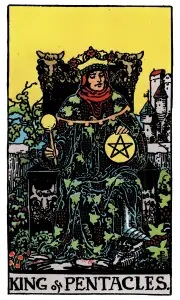
The King of Pentacles governs resources at scale.
Start with the actual question and the card's position. Read the upright or reversed theme, then compare it with facts you already know. A useful interpretation should produce a clearer question or grounded next step—not a claim that the card has proved what another person thinks or what must happen next.
Read the TarotPro interpretation method Learn how to read tarot cards Read tarot card combinationsTarotPro publishes a dedicated meaning page for all 78 cards: 22 Major Arcana and 56 Minor Arcana across Wands, Cups, Swords, and Pentacles.
Not necessarily. A reversed card can show a blocked, delayed, internalized, excessive, or distorted expression of the upright theme. The question and spread position still matter.
TarotPro treats card meanings as reflective frameworks, not proof of a future event. Use the cards to examine a pattern, then make decisions with evidence from your situation.