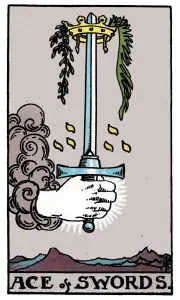
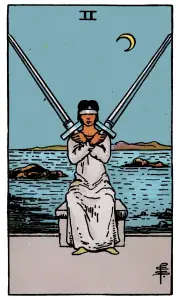
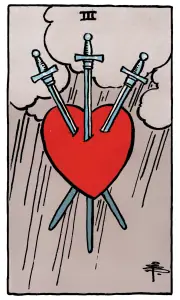
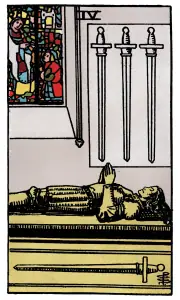
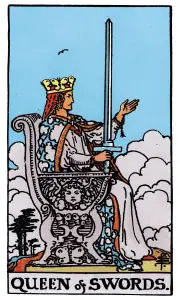
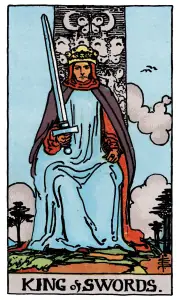
What Swords describe
Swords often surface when language, assumptions, boundaries, or competing versions of the truth drive the question. Their sharper scenes do not guarantee disaster; they make the cost of avoidance, confusion, or conflict easier to name.
A Swords-heavy reading benefits from separating facts from interpretation. Write down what was directly said or observed, then identify the conclusion you added. That distinction can turn a frightening card into a specific communication or decision problem.
Use Swords to test the story
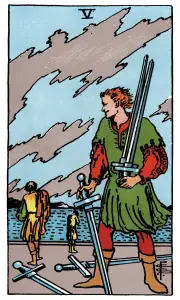
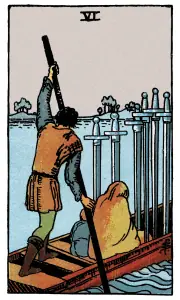
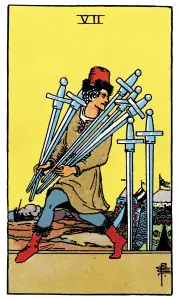
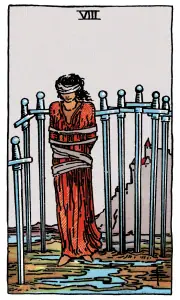
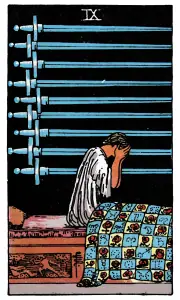
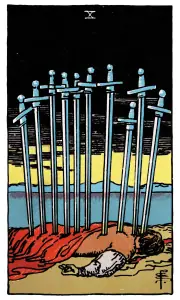
The numbered sequence moves through clarity, stalemate, pain, recovery, conflict, transition, strategy, restriction, anxiety, and an ending. Position changes the task: the Seven in Advice might call for discretion, while in a Warning position it may ask you to check what is being withheld.
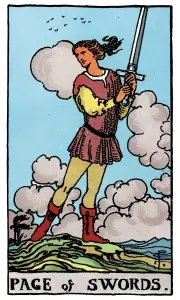
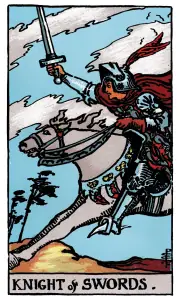
The court cards show different relationships to information and authority. The Page investigates, the Knight presses an argument, the Queen distinguishes clearly, and the King sets a reasoned standard. Reversals can expose haste, cruelty, manipulation, or analysis disconnected from lived consequences.